Michigan crime and punishment: women’s edition

Michigan doesn’t have the death penalty.
That fact alone often fuels outrage when a horrific crime makes the news—especially when the accused are women who were once trusted and who violated that trust in the worst possible way. People want reassurance that justice will be severe enough. After spending 10 years incarcerated at Women’s Huron Valley, I believe I can speak with sincerity and firsthand honesty.
It will be.
When a woman is convicted of murder in Michigan, there is one destination: Women’s Huron Valley Correctional Facility. It is the only women’s prison in the state. And while it is not an execution chamber, it is not mercy either.

Women convicted of violent crimes are very likely to receive either life sentences or long indeterminate sentences—anything over roughly ten years, and often decades. For many, it is a place they will never leave alive.
The physical environment is stark and unromantic. Imagine something like a college dorm stripped down to its bones: concrete floors, cinderblock walls, metal desks and lockers, chipped paint, rust, and harsh fluorescent lighting. The buildings are large and house hundreds of women. Living spaces are small—often roughly 8 by 10 feet—frequently shared with another person. In many units, the toilet sits in the same room where you sleep and eat, leaving little privacy and no separation from bodily realities. The buildings are old. They are maintained, but age shows everywhere. Heating is inconsistent. The space feels cold—literally and figuratively.
Healthcare exists, but it is minimal. Some medical staff are compassionate. Some are not. Regardless, care is tightly limited by policy and cost. As women age, chronic conditions worsen. Specialized treatment is rare. Dental care is mostly extraction. Whatever teeth you have when you arrive, you will likely lose.
Prison also requires money—something the public often overlooks. Soap, shampoo, deodorant, and basic hygiene items cost money. A small television can cost hundreds of dollars. A tablet—used for email and photos from family—also costs money. Commissary food doesn’t replace meals, but it makes them tolerable.

Most prison jobs pay very little—nowhere near enough to cover basic needs. Realistically, about $100 a month from outside support allows someone to meet necessities and slowly save for essentials. Without that level of support, daily life becomes harder in ways that quietly compound over time.
Many women convicted of severe crimes arrive with limited social support. Friends disappear. Families fracture or vanish. They will live without many of the things they need and want—chronically and, for some, forever.
Inside, reality settles in. Phone calls are short and regulated. Privacy does not exist. Roommates are assigned, not chosen, and compatibility is rare. Conflict is inevitable. Loss of personal property, verbal cruelty, and intentional destruction of belongings are not uncommon parts of close-quarter living. In more hostile situations, a roommate can deliberately damage or destroy personal items and contaminate food, clothing, or bedding with bodily fluids—including urine, feces, and menstrual blood—an ugly but real form of control and intimidation in a space where there is no escape.
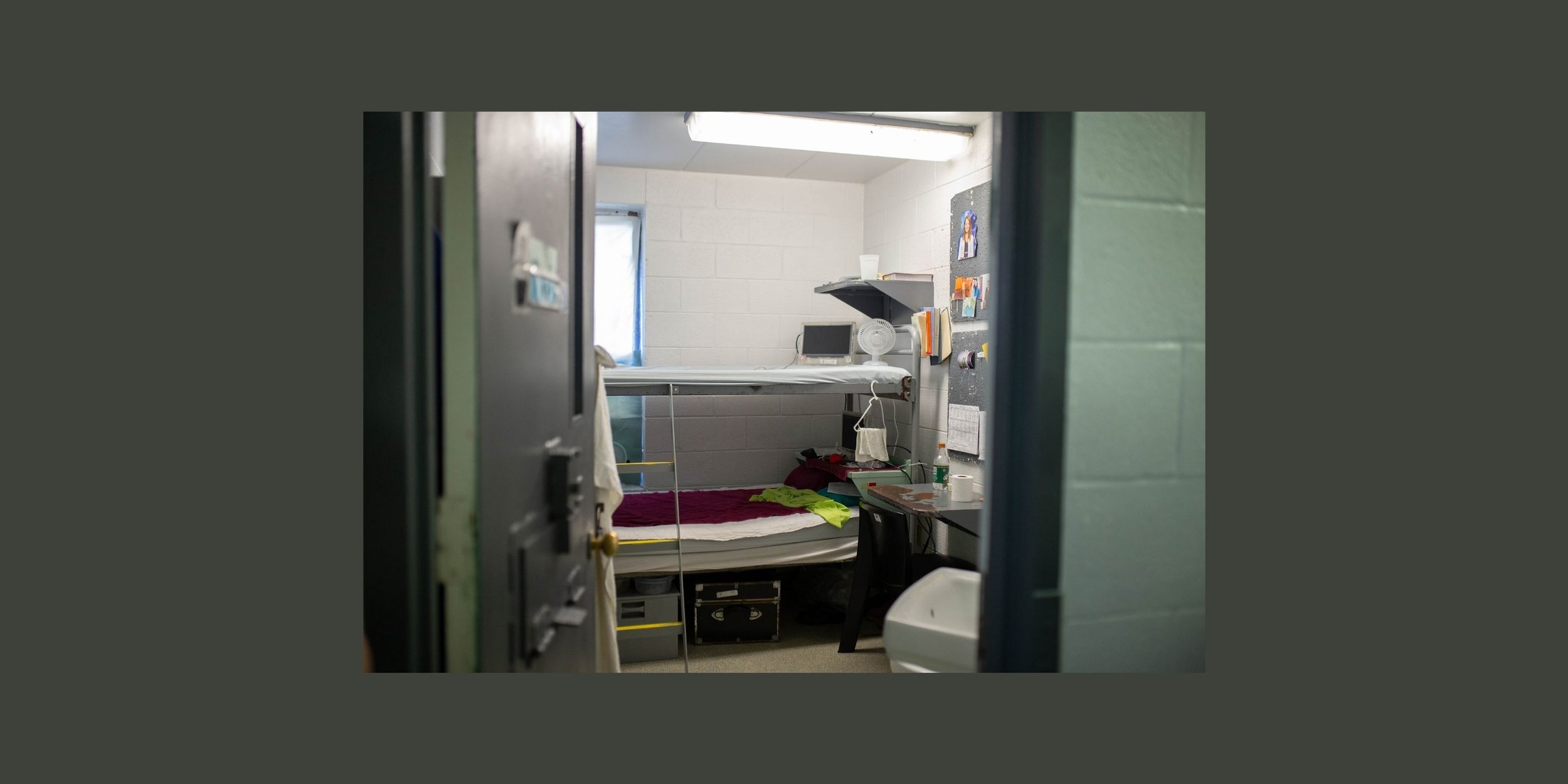
What does not typically happen—despite popular imagination—is vigilante violence based solely on the crime itself. Women are not routinely assaulted for what they were convicted of. But they are judged. They are talked about. Their crimes follow them. Silence is rare.
And yet—life continues.
There are jobs. Doctor appointments. Exercise yards. Church services. Classes and programs. Over time, people form routines. Prison is not constant chaos; it is sustained consequence. Day after day. Year after year. With no real escape from memory.
For the families who lost someone, nothing about this restores what was taken. No sentence balances that scale. But know this: incarceration is not a pause or a reset. It is a slow, permanent reckoning. Every ordinary day these women live is shaped by what they did—and by who they can never be again. They have completely and forever ruined their own lives.
Michigan may not execute people. But a life sentence here is real, permanent, and devastating in ways that rarely make headlines.
Justice doesn’t always look dramatic—but it is relentless.