Christmas for Misfits: My December article for the Trinity Newsletter.
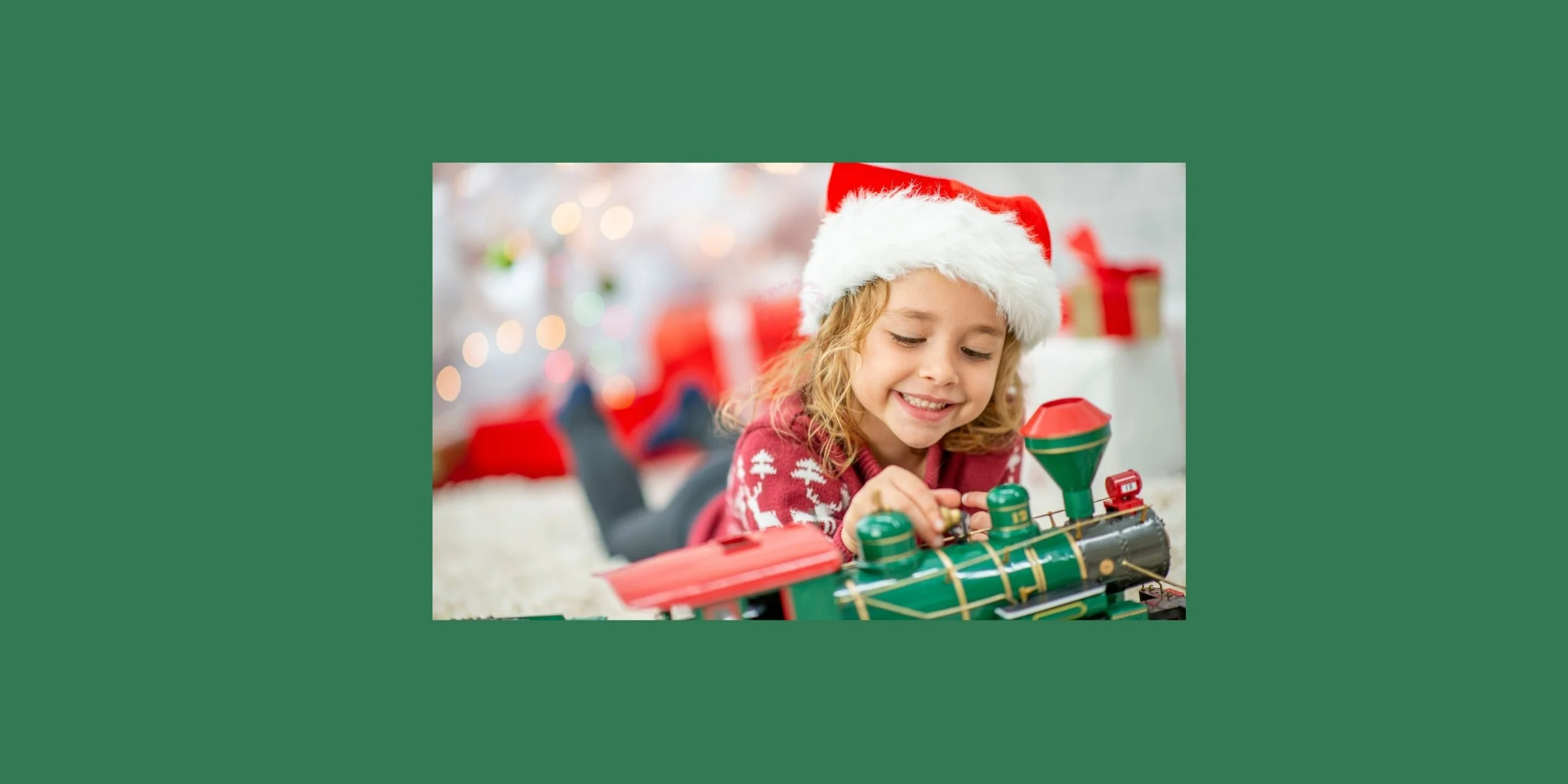
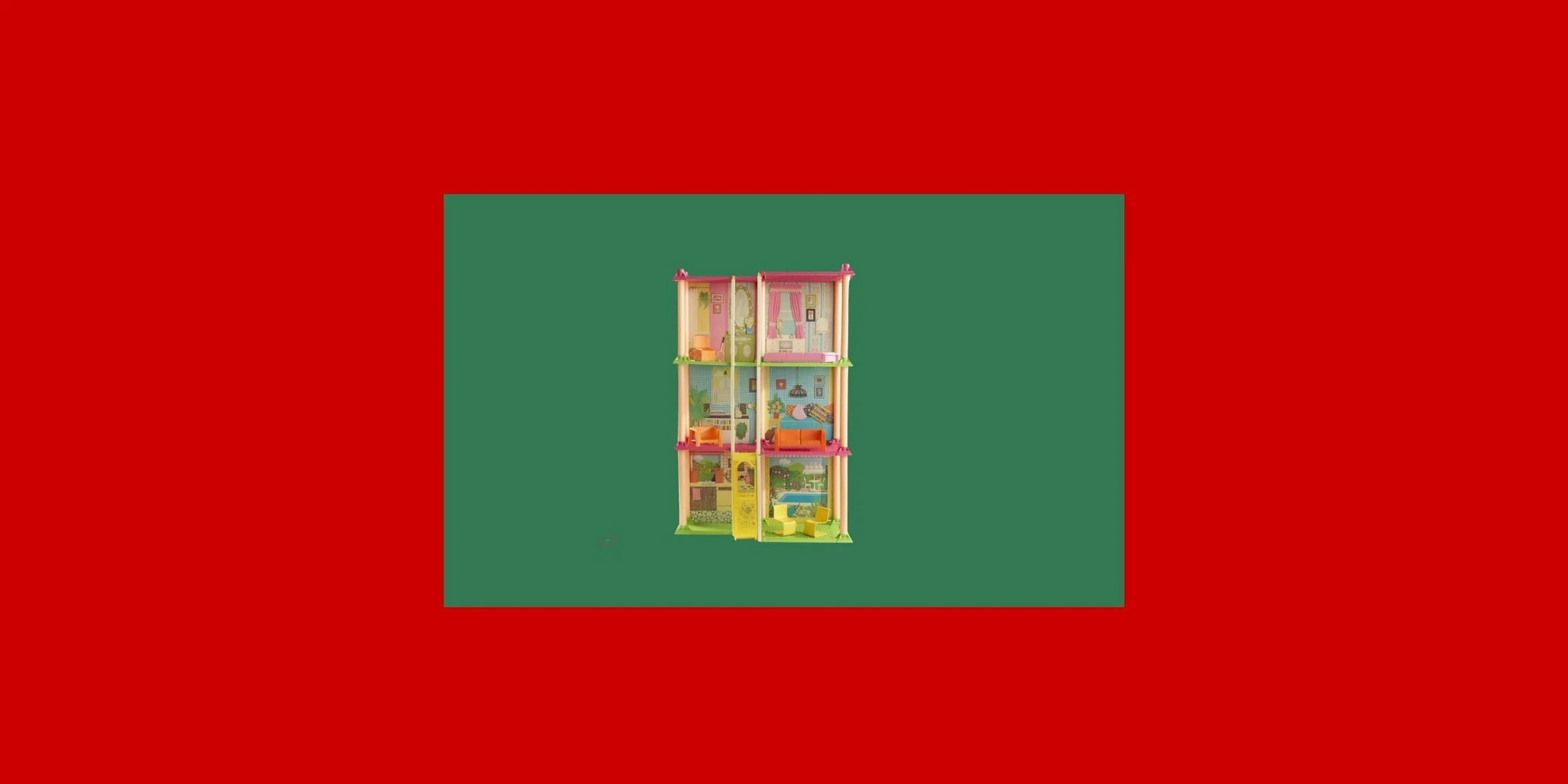
I’ve had the privilege of knowing the wonder of a childhood Christmas morning—when Santa delivered a Barbie Dream House and it felt like an impossible wish had slipped into my hands, as if magic itself had delivered it. I’ve also known the joy of having my own children wake early on Christmas morning and sit at the top of the stairs, practically vibrating—waiting for their dad to confirm whether Santa had indeed left gifts—and listening to their gasps of surprise and exclamations of excitement over dolls and fishing tackle.
And then, I’ve known the absolute desolation of the first Christmas you spend locked in a cell—followed by many more holidays that were just as gutting.
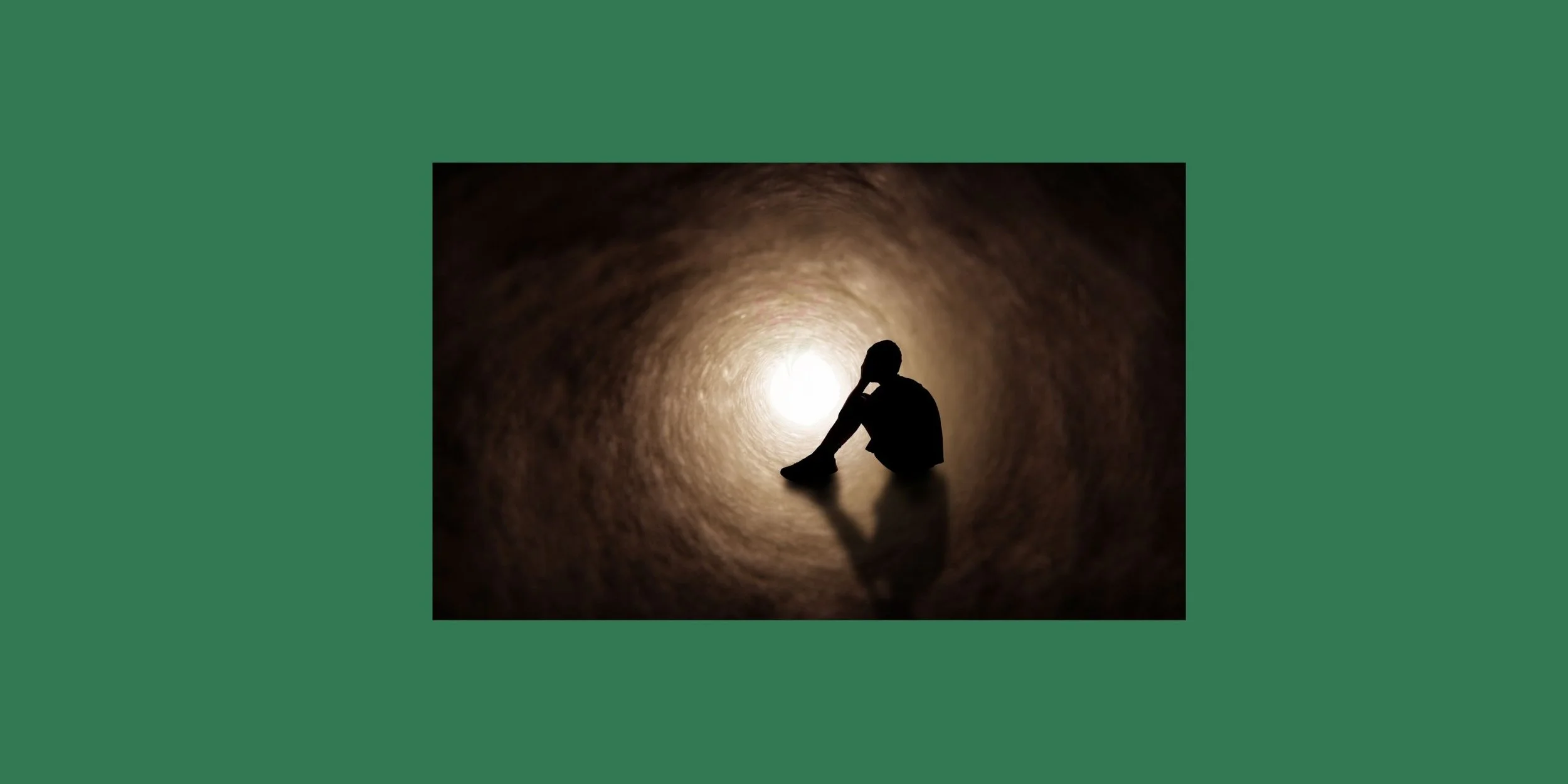
Christmas takes on a different shape when you’re behind bars. The world is out there lighting candles, baking cookies, and taking family photos while you’re staring at cinderblock walls pretending the day is normal. It isn’t. You feel it in the air, in the silence, in the way people walk around trying not to cry or snap. Some hide in their bunks. Some just sit there numb. Christmas in prison isn’t about gifts or carols—it’s about surviving a Holiday season that reminds you of everything you’re missing and everyone you can’t touch.
It doesn’t have to be a prison cell that separates you from the people you love during the holidays. Sometimes the distance is emotional. Sometimes it’s old wounds that never healed. Sometimes it’s addiction, family fractures, estrangement, grief, or generational trauma that still echoes years later. Loneliness has a hundred disguises, and every one of them can steal the holidays right out from under you.
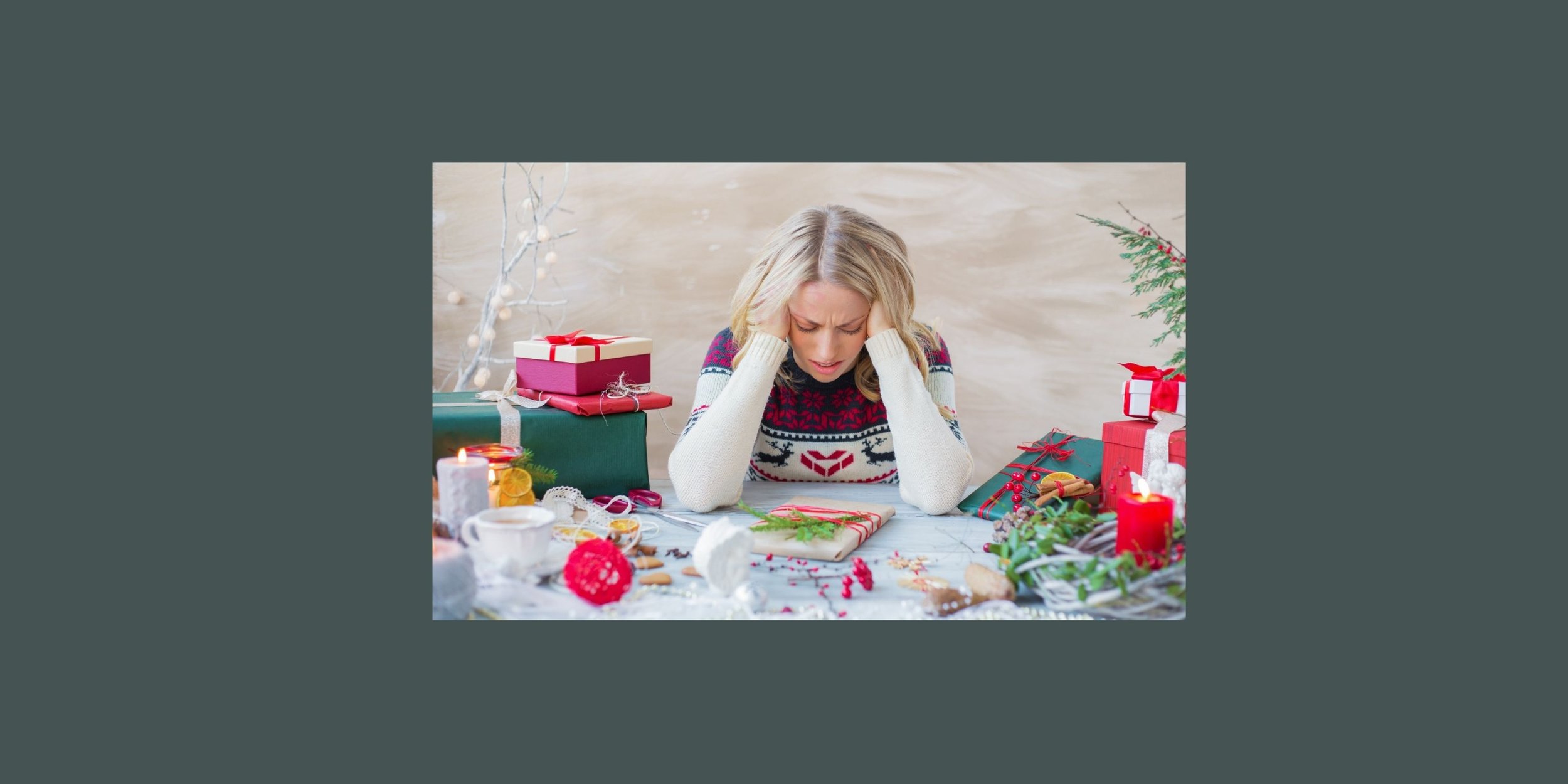
I know what it feels like to brace for impact the moment a sentimental Christmas commercial comes on. Or when a decades-old carol sneaks up on you in a grocery store aisle and your whole body reacts before your mind can catch up.
I consider it a privilege to have lived both extremes—the wonder and the wounds.
The first Christmas I was free was not the triumphant Hallmark moment I had spent ten years imagining. My family and friends all had their own traditions, their own people, their own rhythms. I was still tied to strict parole restrictions. I didn’t know where I fit or where I was supposed to go.
Then a friend invited me to something unexpected—what I now call “Christmas for Misfits.” Although, truth be told, I was the only true misfit there. It was a gathering of several couples, a few single adults, people whose grown children lived far away, people who had already celebrated or were postponing Christmas until January. What struck me was that even though they all knew the hosts, they didn’t really know each other—so while they were new to me, we were, in a way, all new to one another.

There was food, laughter, warmth—and an unexpected ease that came from all of us being strangers in different ways. No tight-knit group, no insiders’ circle, just a room full of people quietly deciding to make space for one another.
And before the meal, the hosts—a deeply faithful couple—prayed grace over our potluck. It wasn’t long or theatrical. Just a simple, heartfelt prayer. But it hit me like a wave. I felt the emotions of the day, the strangeness of freedom, the loneliness, the gratitude… and under all of that, something else. I think it was my faith and theirs showing up at the same time.
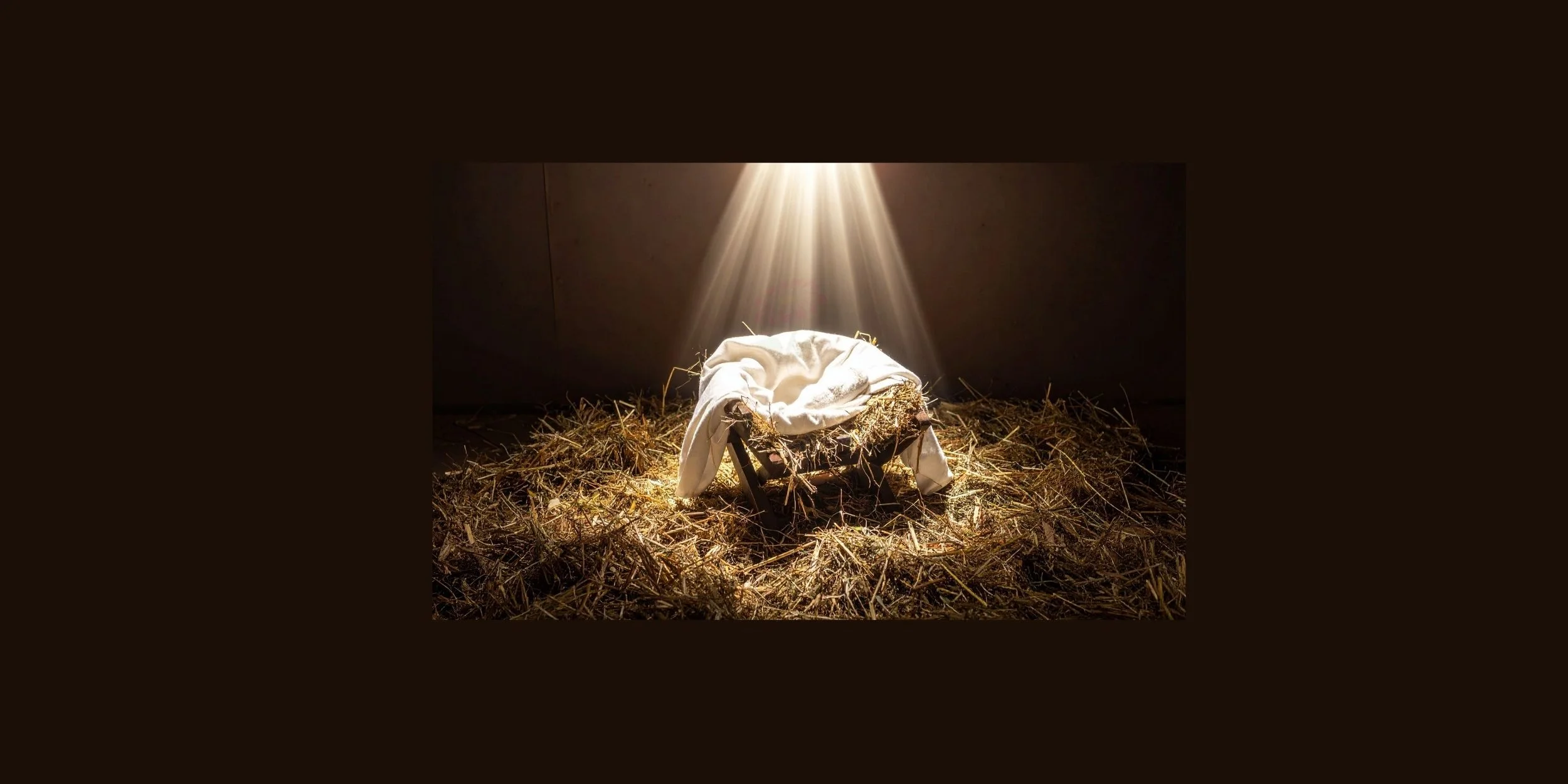
Because when you’ve been through enough darkness, even a small beam of light can feel blinding. And woven through the sparkle and the food and the awkward introductions was the deeper meaning of the season: God shows up in unlikely places, for unlikely people, in the most unlikely ways.
Being a Christian doesn’t spare us from pain—Scripture makes that clear. The Bible is full of people who suffered, wandered, doubted, lost everything, and still somehow found God waiting for them anyway. Sometimes not to fix the situation, but to be present in the middle of it.
That’s why the Christmas story hits so differently when your life is messy. God didn’t enter the world in comfort or stability. He came into political tension, family stress, danger, and chaos. He came as a baby—small, vulnerable, breakable. Light arriving quietly in the dark.
So when I sat at Christmas for Misfits—surrounded by strangers, eating cookies and passing casserole dishes—I realized something: the magic of Christmas wasn’t just nostalgia. It was presence. God’s presence. And the presence of kind people willing to make room for someone who wasn’t sure where she belonged.
The meaning was in the air just as much as the wonder.
Some years we are the ones carrying the light. Other years, we are the misfits grateful for a place at someone else’s table.
And both are holy.
If Christmas feels distant, I hope you stumble into a “Christmas for Misfits” of your own—an unexpected room, an open seat, a flash of kindness you didn’t see coming. And if you’re in a season where you do feel the wonder, spread it generously. Someone near you may need it more than you think.
Thank you for reading.