
I was cold in prison. Bad cold. The kind that doesn’t just make you uncomfortable—it wears you down.
And if you’re a victim of a crime, you might feel some satisfaction reading that. I understand. Prison isn’t meant to be a cozy 70 degrees. I’m not writing this to blame anyone or to play the victim. I’m writing it because it’s part of what prison feels like.

At WHV, the buildings are older—built in the 1970s and 80s—and the housing units are huge, like giant dorms. In a place that big, the heat isn’t consistent. Some areas are warmer, some are colder, and sometimes it feels like the system can’t catch up. I don’t think it’s intentional. I think it’s old buildings, poor design, and the reality of maintaining a massive facility. But the result is the same: staff and inmates freeze.
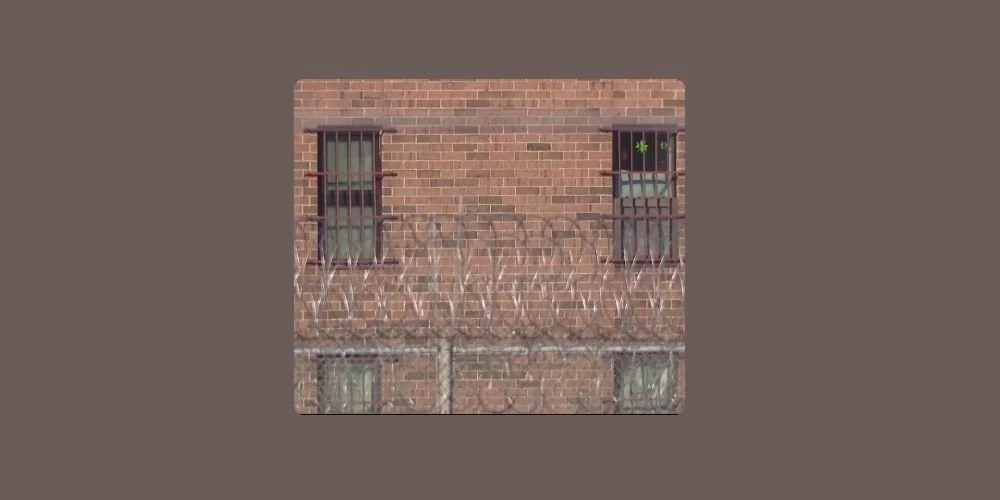
The windows are the worst part. They don’t seal. There’s a dramatic gap between the window and the frame—about the width of a pencil. Air comes in easily, and in winter you can actually get ice building up. Women improvise like people always do when they’re cold and stuck. We pushed pads (period pads) into the cracks, or wadded up toilet paper to create a barrier. In some units, if the officers didn’t fuss about it, we could put up a garbage bag over the window or even a cut-up shower curtain.
Where your room is located matters too. If your room is at the end of the hall, you’re colder than the rooms closer to the officer’s desk. And if you’re in the end room, you’re often given an extra blanket.
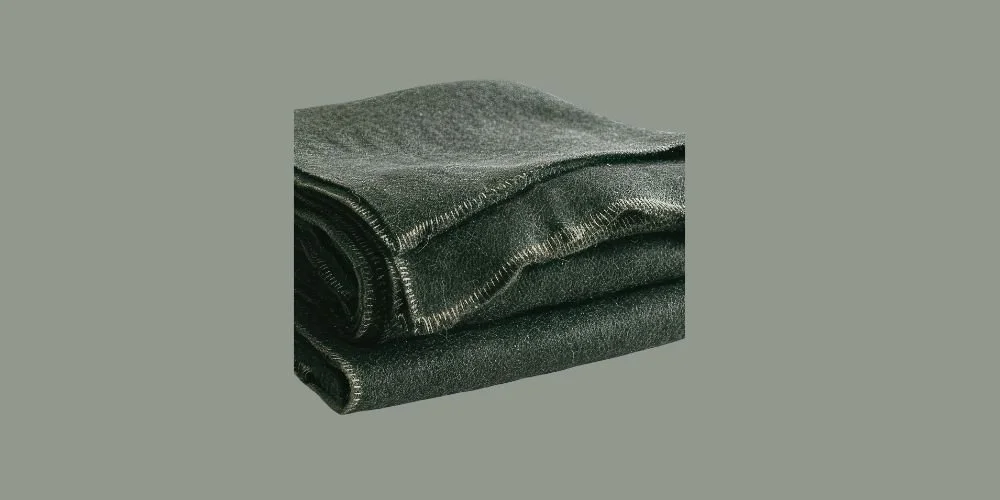
(we couldn’t wash the blankets. We exchanged them twice a year. They contained the hair from the previous owner. I always requested the blankets without small pox)
We are issued two wool blankets on our arrival day. They aren’t soft, but wool is warm. I folded my blankets lengthwise like a sleeping bag so it was four layers. Then I would put my head under the blankets, curl into the tightest fetal position, and let my breath warm me up. Once my feet were warm, I could sleep. But until then, I just shivered.
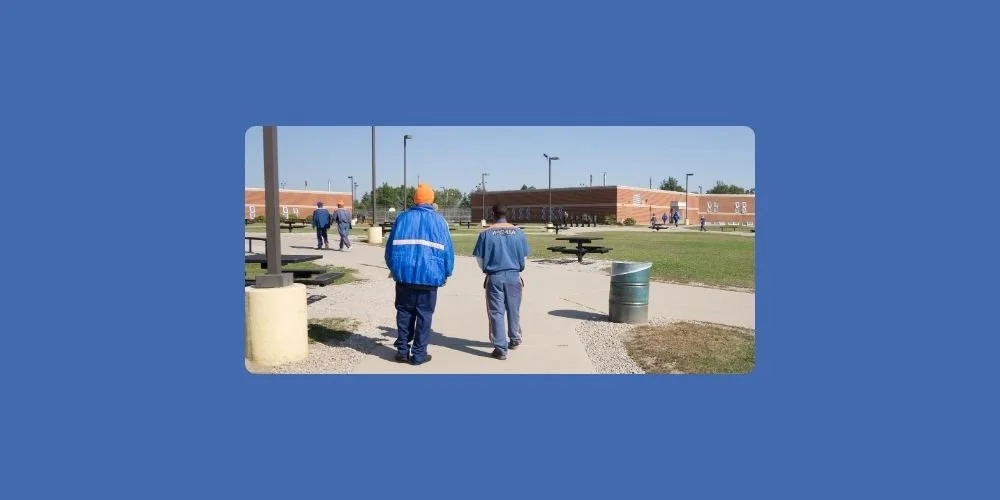
I slept with all my layers on, often including my prison ski cap and jacket. It’s strange to think about putting on a winter coat to go to bed. But we did. And not to add more complaining onto more complaining, but our winter gear wasn’t great. It wasn’t exactly “The North Face,” you know?
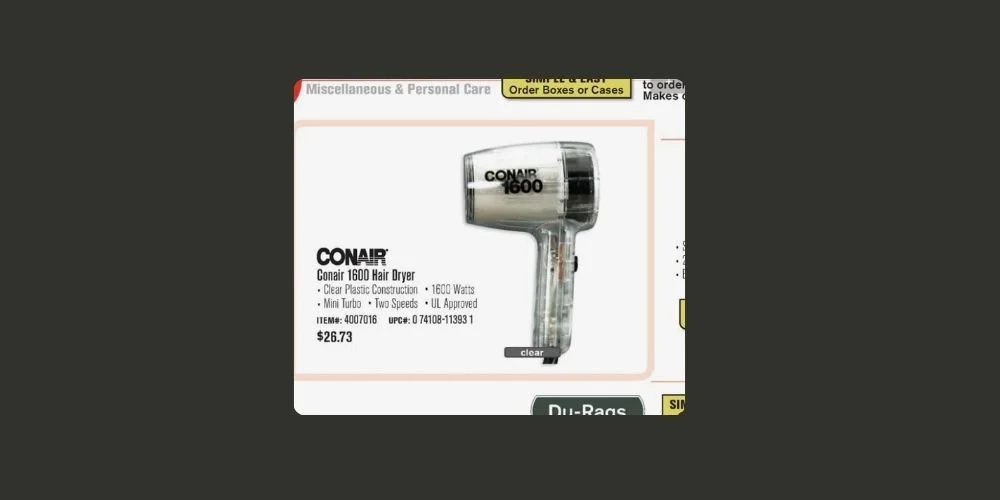
It may surprise you to know we could order hair dryers and curling irons in prison. We used them for our hair, of course. But also to keep warm. We would use the hair dryer in our sheets to warm up our bedding before getting into bed. It wasn’t unusual to hear the dryers going throughout the night.
We also filled a plastic bottle with hot water from the hot pot, then put it in a sock so it wouldn’t burn you. We called that our “state boyfriend.” It was warm, but if the top came off you had a wet bed and you were going to really freeze.
We would also wet a towel and put it in the microwave and then put that in a garbage bag. But that cooled off quickly.
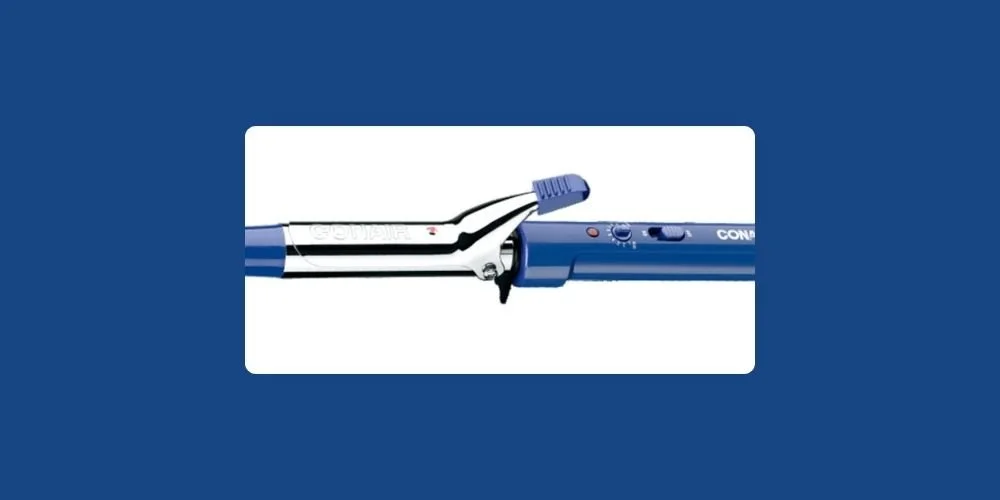
I’m the only one I know who did this, but I’m sure there were others. I would turn on my curling iron and put it between my T-shirt and sweatshirts. The curling iron was hot. Not really hot enough to curl my hair (it was cheaply made) but hot enough to burn skin. And it did. But I needed it for warmth. I never had to have it on all night. My thought was: if I held it close to my chest, it would warm up my circulating blood and hopefully that heat would get to my feet quickly.
There was one particular day when I woke up freezing. Because there are policies about temperatures in living environments in prison, I asked for the thermometer. The officer gave it to me and I put it on my bed where I slept for ten minutes. It read 51 degrees.
Fifty-one is nice for a sunny spring afternoon. But very cold in your living space. The cold seeps into your bones. You shiver, which is exhausting. And you can’t do anything. You can’t sit and write letters because your hands get cold. Same for reading or crochet. Really, all you can do is stay under the covers. All day.

I took the thermometer back to the officer’s desk and burst into tears. She was kind and told me she had already called the maintenance department. And I was grateful.
Once, I remember, maintenance made an adjustment and it was warm in the unit. Hot, actually. Too hot. But no one wanted to complain because the cold was so miserable. But remember, whatever environment we are living in, the staff and officers are working in. So the staff let the facility know about the extreme heat.
Cold isn’t only an issue in the winter. Nope. I lived in two units that have air conditioning. It surprises me that there is air conditioning at all, and it isn’t in all of the units. When there are 90-degree days I’m grateful for it. But mostly, it’s just too cold. I’m not a fan of AC anyway. In the unit there is a huge blower that forces air into our cells. It’s both loud and cold.
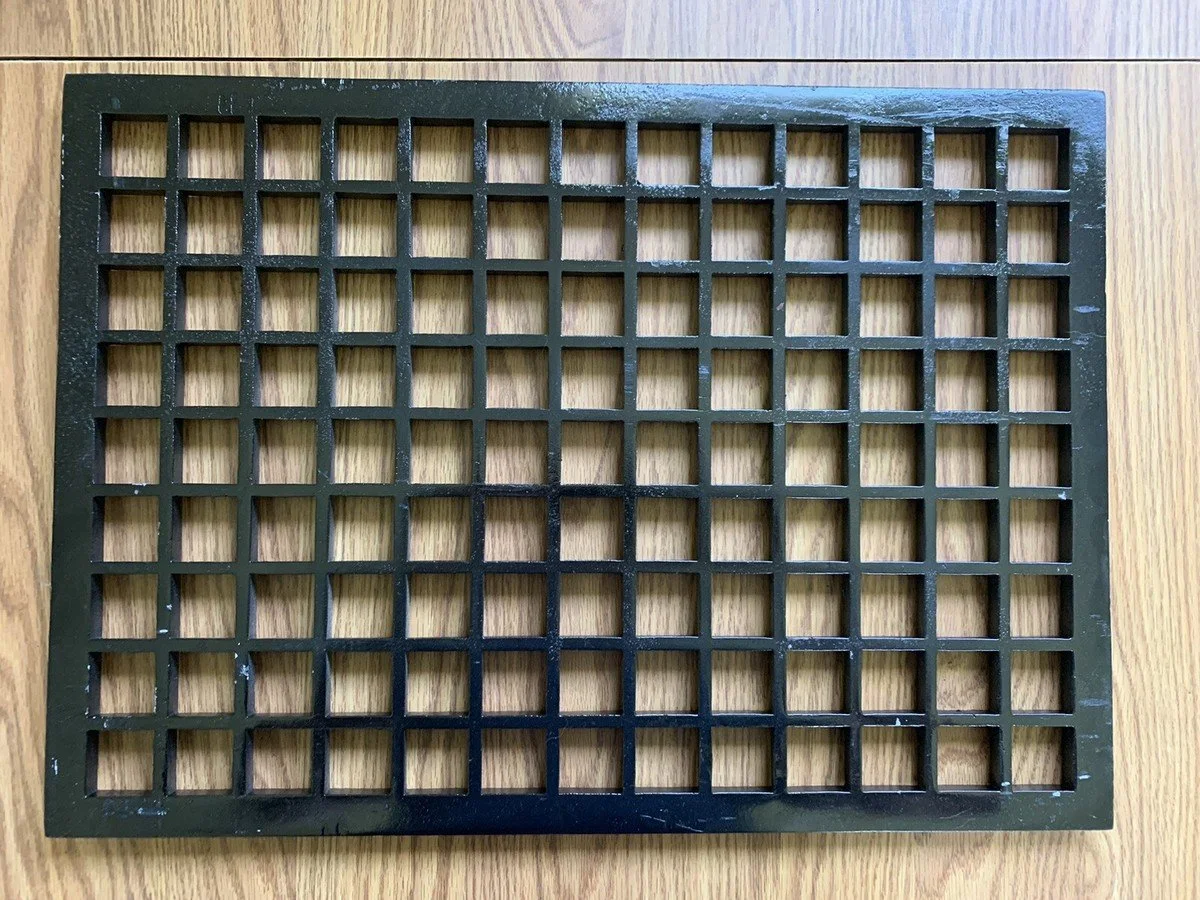
Our cells have a grate high up where the air comes in. There are ways to cover the grate with cardboard or plastic, but it’s hard. The best way is beeswax, that we use for hair, to coat over the holes. And then someone has to climb onto a locker and coat the whole grate in that stuff. I had a roommate who could reach, and I was grateful for it. The room warmed up and was quiet. It did get a bit muggy without air circulating, but I didn’t mind.

Occasionally an officer would step into the room and notice the extreme temperature difference and have us clean out the grating. Which we would do. But after some time passed it would get covered again. No one likes breaking the rules. It’s just hard to be cold.
Lately I’m seeing posts on social media about extreme cold in the prison. And it makes me remember. It makes me feel bad for the ladies still in there. I hate that for them. For anyone.
I was home a few days when my friend Margaret gifted me an electric blanket. Over two years later I still thank her for it. And it’s something I added to my list of “must haves” for inmates coming home.
Thank you for reading.