Ten Percent of Almost Nothing
A Prison Tithing Story
There are so many lessons that I learned in prison that I would never have learned in freedom. This is one of them.

I met some amazing Christian women while I was in prison. Surprising, right? But a good Christian can make a bad decision, get caught up in a sad situation, and end up somewhere she never expected to be. Trust me, many women in prison grew up in church. Not everyone finds Jesus in prison, though some do, and that is a beautiful thing because He is there.
My friend India is one of those good Christian women. We met in the large housing unit where I was living, and eventually we became roommates. What a gift. We would listen to TV ministers together and discuss what we loved — or didn’t love — about their messages. And India knew her Bible. She often backed up her comments with Scripture.
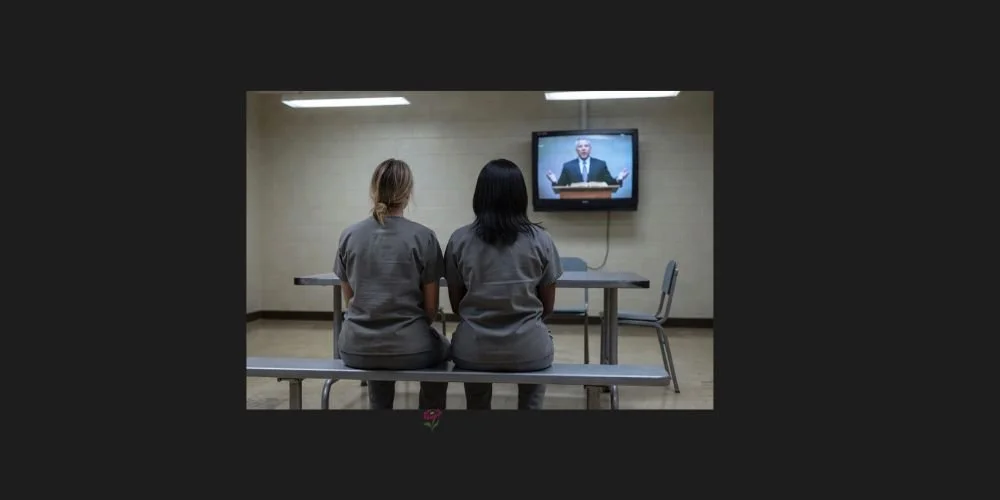
One day she asked me if I was a tither.
Well… no.
I made seventeen cents an hour. Tithing 10 % of that did not feel possible. India said it was possible, and that I should do it. She pointed me to Malachi 3:10, where God says:
“Bring ye all the tithes into the storehouse, that there may be meat in mine house, and prove me now herewith, saith the LORD of hosts, if I will not open you the windows of heaven, and pour you out a blessing, that there shall not be room enough to receive it.”
Did He just say to test Him?

That stood out to me because Deuteronomy 6:16 says, “Ye shall not tempt the LORD your God.” So most of the time, testing God is a terrible idea. But here, in Malachi, God says to prove Him.
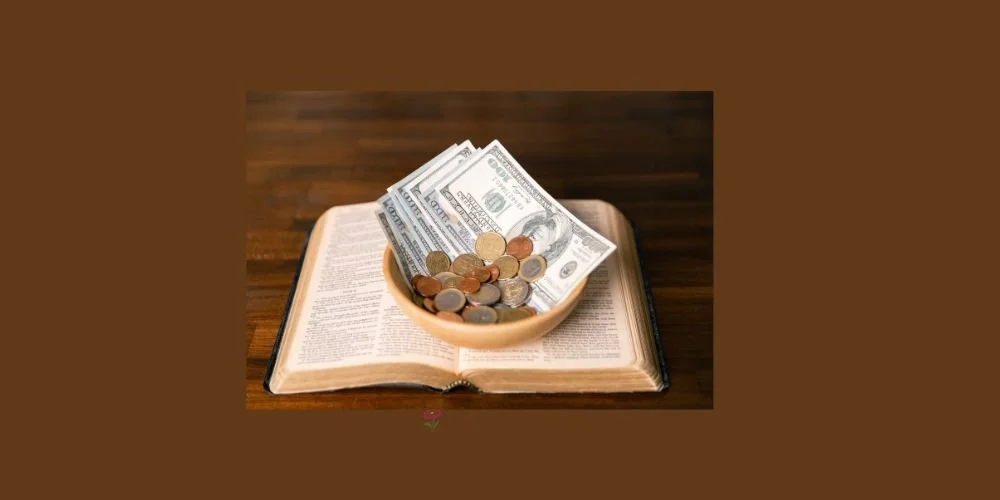
You could say I had nothing to lose, except I did. Ten percent of almost nothing is still a lot. In prison, that could be the difference between buying soap or going without. And if you have made good life decisions and have never been in jail or prison, let me ruin the mystery: basic things are not provided.
Still, something about tithing felt right. Maybe it was the hope that the floodgates would open. Maybe it was feeling connected to Trinity Lutheran Church (Frankfort, MI) and the people back home. Maybe it was knowing my little bit could help support something good, like a young woman going to Interlochen or a child going to summer camp. Whatever it was, I filled out the disbursement form.
Getting money sent out of prison was not simple. The form had to be filled out perfectly, with the amount, an addressed stamped envelope, and no mistakes. Anything unreadable could delay it for weeks or months. Then it went to the chaplain — and it sat on her desk forever; I know because I was friends with her clerk — then to the business office, and eventually out of the facility.

Spoiler alert: now I can tithe with an app in about two seconds. That makes me cheerful.
I did not think the floodgates would mean freedom. I felt certain that a ten-year sentence was going to be my reality, like it or not. But Romans 8:28 says:
“And we know that all things work together for good to them that love God, to them who are the called according to his purpose.”

Over time, life in prison did get better. Not overnight. Maybe someone else would call it luck: an instrument I could keep in my room, coveted jobs three different times, a long stretch without a roommate in my tiny cell, and friends from home who remembered me and put money on my account. At the time, I thanked God for each blessing, but only in looking back can I really see it.
The floodgates indeed.

After release, when I got my first job, it never occurred to me not to tithe. The amount felt enormous through the lens of prison wages, but it was still the same ten percent. And just like in prison, I feel the same way now: I get to give cheerfully.
Do I get everything I want? No. Am I using tithing like a lottery ticket? Also no. Do I sometimes joke about demanding my “tither’s rights” when I feel like I deserve something? Sure. But do I believe I can boss God around? Absolutely not. Although I have seriously tried.

When I mentioned tithing to a friend, I was surprised to learn how controversial it can be. Some Christians believe tithing was part of Old Testament law and that New Testament believers are called instead to generous, cheerful giving. Some worry tithing can become legalistic or that churches have used it to pressure poor people. Those are fair concerns.
I am not talking about giving under pressure, buying blessings, using God like a vending machine, or all the other ways this teaching can get messed up. I am talking about trust.
I understand the debate. But for me, tithing became an act of faith. It’s in the Bible That’s good enough for me.
So yes, I tithe to my church. Ten percent. Not ten percent to my favorite charity. Not ten percent to a GoFundMe. My tithe goes to one place. Offerings and blessings go other places.

And I have found that the floodgates do not always look like money. Sometimes they look like soap. Sometimes they look like a good roommate — or no roommate. Sometimes they look like a job, a quiet blessing, or someone welcoming you home. Sometimes they look like your child smiling when they see you.

Another (and maybe my favorite) example of a prison lesson I would never have received in freedom.
Amen.